Artists, Don’t Miss This: The Emotional Power of Motion and Interactive Art

In a world increasingly shaped by screens, sensors, and movement, the canvas is evolving. Today, artists are no longer limited to brushstrokes or still images. Motion and interactive art are reshaping how we tell stories, evoke emotions, and connect with people.
And for artists, this is not a trend. It is an opportunity.
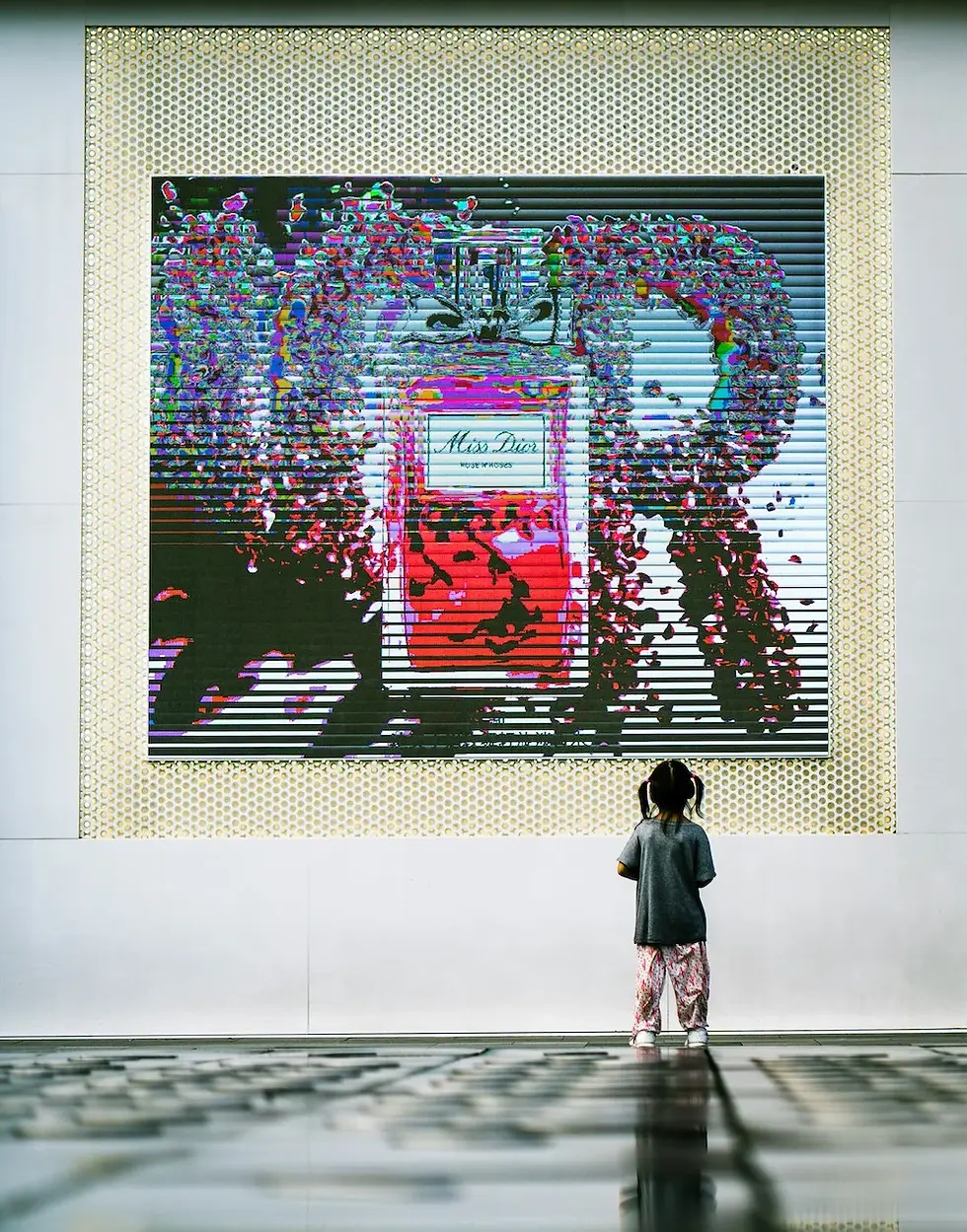
Art That Moves (Literally and Emotionally)
Unlike traditional mediums, motion and interactive art bring time, space, and response into the creative palette. Your work can now breathe, react, and evolve. Sometimes even with the audience.
Imagine the possibilities:
A painting that subtly shifts as the viewer moves.
A visual composition that tells a different story based on time of day or ambient sound.
A piece that responds to human touch, presence, or emotion.
These are not gimmicks. They are tools for deeper emotional storytelling.
Why Artists Should Explore These Art Medium
Expand Your Language
Art has always been about expression. Motion design and interaction add new elements like timing, rhythm, and participation. These open up new ways to express ideas that are too dynamic for stillness.
Create More Impactful Experiences
People remember how art makes them feel. Interactive art invites viewers to become participants. It turns observation into experience, and experience into memory.
Reach New Audiences
Interactive installations and motion visuals naturally draw attention at galleries, events, and online spaces. It is a powerful way to connect with younger, tech-savvy audiences.
Collaborate Across Disciplines
These mediums open the door to working with musicians, technologists, architects, and filmmakers. They lead to conversations that spark new ideas and expand your creative world.
Future-Proof Your Practice
As public spaces and cultural events become more immersive, motion and interactive art are becoming essential to the future of exhibitions, performances, and storytelling.

Getting Started Doesn’t Require Coding
You do not need to be a programmer to begin. Tools like TouchDesigner, Notch, and After Effects allow artists to experiment with movement and interactivity. You can also collaborate with creative technologists to bring your vision to life.
Start small. Maybe add animation to your existing work. Maybe reimagine how your visuals behave in a physical space. Every step forward is a way to enrich your practice.
In Closing
Motion and interactive art are not just new tools. They are new ways to make your work felt more deeply. They allow you to shape how people connect with your art on an emotional level.
If you are an artist searching for your next evolution, this is where the future begins.


Comments