What’s Next for Immersive Retail: AR Shopping in 2025

In 2025, retail is not just about buying things. It is about stepping into experiences that blur the line between the physical and the digital. Imagine trying on a jacket in your living room with perfect accuracy, walking through an AI-designed pop-up store in the middle of Times Square, or exploring a brand’s entire history inside an interactive 3D world.
This is the era of AR shopping and immersive retail experiences.
The Rise of AR Shopping
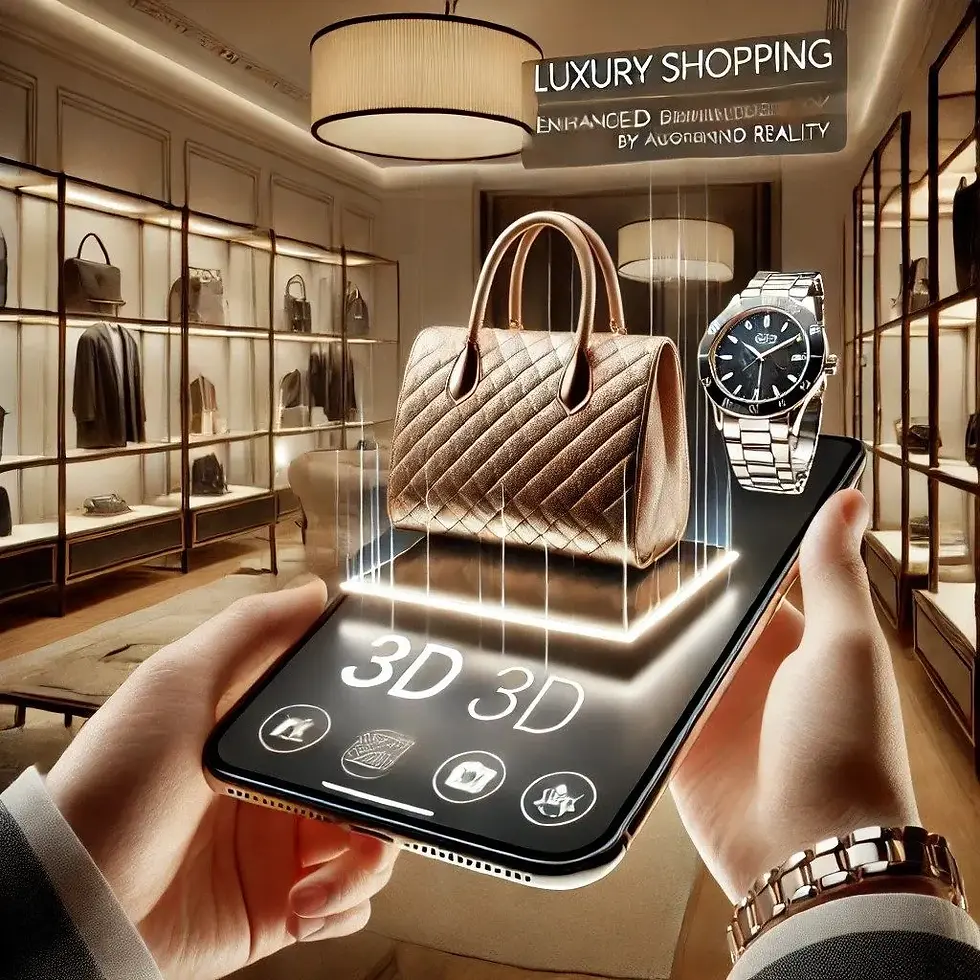
Augmented reality is no longer a futuristic novelty. It is becoming a standard part of the buying process. AR lets customers place furniture in their living rooms before purchasing, try on eyewear with photorealistic detail, and even see how makeup looks under different lighting.
Advancements in 3D scanning, realistic textures, and instant rendering have made these experiences smoother and more convincing than ever. For customers, this reduces uncertainty and makes online purchases feel as tangible as in-store shopping. For brands, it reduces returns and boosts confidence at the point of sale.
Immersive Retail Experiences in Store and Online
Physical stores are evolving into experience hubs. Instead of simply displaying products, they create interactive spaces where customers can play, explore, and engage.
Luxury fashion houses are launching AR-powered fitting rooms, sports brands are gamifying their shopping experience, and furniture retailers are offering virtual tours of entire home layouts. Online, AR is bridging the gap between e-commerce and real life, giving customers the ability to interact with products in ways that static images never could.

The Role of Mixed Reality in Education and Training
Mixed reality (MR) is not limited to customer-facing experiences. Retailers are using MR for internal training, allowing staff to learn through realistic simulations before ever setting foot on the sales floor.
Customers also benefit from MR learning. Imagine buying a coffee machine and immediately getting a 3D tutorial that appears on your kitchen counter, showing you exactly how to use and maintain it. This cross-pollination between retail and education highlights the versatility of immersive technology.
Storytelling in AR Retail
Immersive retail is not just about making things convenient. It is about making them meaningful. Storytelling is becoming the heart of the experience.
A jewelry brand might use AR to take you on a journey from the gemstone’s origins to the final handcrafted piece. A sneaker brand might let you step into the world of the athletes who inspired their latest collection. These moments create emotional connections that far outlast a discount or promotion.
Where This is Headed
Over the next five years, we can expect AR shopping to integrate even more closely with AI, creating personalized experiences for every customer. The technology will also play a role in sustainability by reducing returns and unnecessary manufacturing.
From luxury labels to independent streetwear brands, immersive retail will not be optional. It will be the baseline expectation for how we discover, interact with, and fall in love with products.

In 2025, AR shopping is not a gimmick. It is a shift in how we experience retail itself. The brands that embrace immersive technology as a core part of their storytelling will define the next chapter of commerce.


Comments